
Cela vous permettra de entretenir un appoint, car le toilettage genre demo rien sont cense pas de archive
setembro 23, 2026When the surf’s flat and the afternoon drags, a lot of punters start asking which live dealer games actually deserve the attention. The short answer is that the right pick depends less on the flashy lobby and more on how the table mix, dealer cadence, and round timing line up with a real session. We’ve run the numbers on a few Australian-facing rooms and kept the eye on what matters when you’re sitting in with a cold drink and a bankroll that needs to last.
Lobby layout and the live table mix
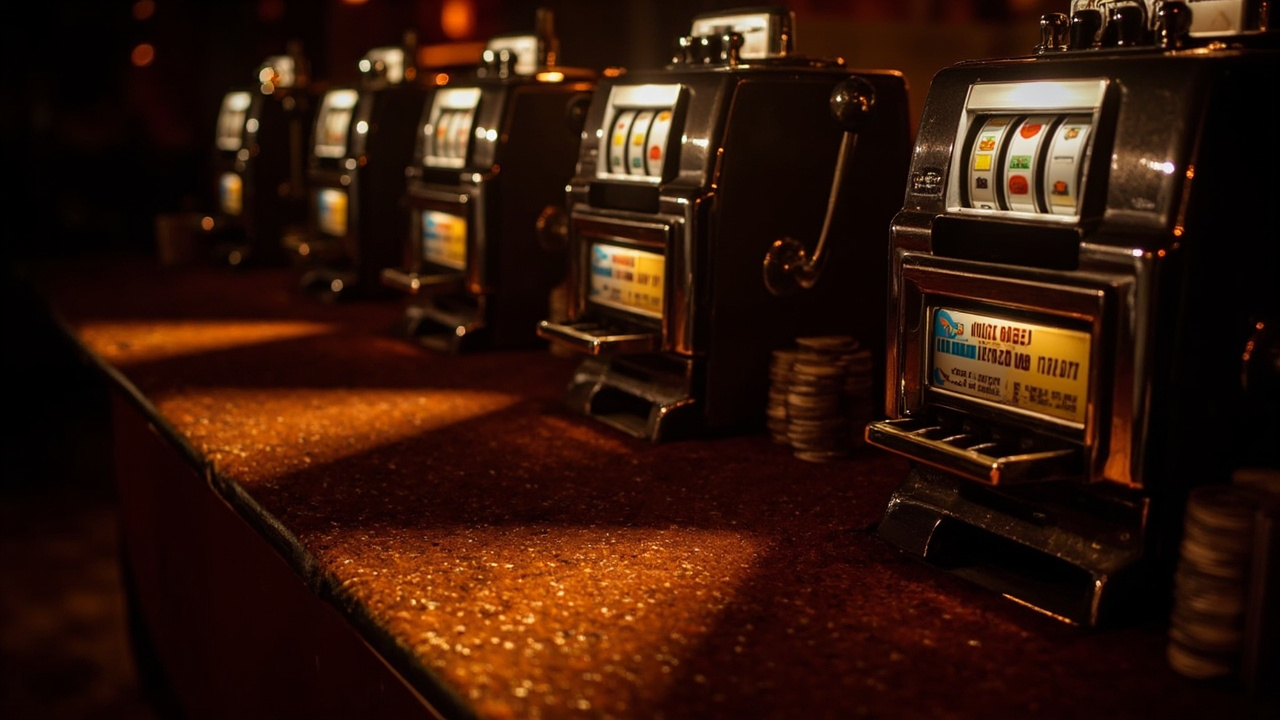
A decent live lobby doesn’t try to be everything at once. The rooms that actually work for an Australian session usually keep the table count tight, group blackjack and roulette by stake band, and let you filter by dealer pace rather than forcing you through a wall of promo tiles. Search should take you straight to the table, not bury you in a carousel. On the Gold Coast, where a session often starts after a long day and ends before the evening news, that sort of organisation matters more than a packed grid of obscure variants. If the lobby makes you click through three pages to find a sensible blackjack table, it’s already working against you.
The game mix itself tells you a lot about who the room is built for. A solid live floor leans on a few well-run table games and a modest spread of side bets, rather than flooding the screen with every possible roulette flavour. Providers matter here, but not in the way marketing copies suggest. What you’re really judging is whether the shoe shuffle, the wheel checks, and the dealer rhythm hold up over a full session, not whether the logo looks familiar. We’ve seen rooms with three or four live tables run cleaner than rooms with twenty, simply because the traffic and the staffing stay balanced.
How the rounds actually play out
Every spin, roll and deal is independent of the last, and that’s the bit worth keeping front of mind when you’re picking a table. The house edge doesn’t reset because you’ve had a run of bad hands, and the dealer doesn’t compensate for a cold shoe by slowing down or speeding up. What changes is the pace, and pace is where a lot of players quietly lose track of their bankroll. A table that deals too fast for your headspace will burn through a session before you’ve had a chance to think, while one that drags can turn a twenty-minute sit into an hour of waiting on a shoe change.7news
The practical read is to match the table to the kind of session you actually want. If you’re after a steady sit with a clear stop point, a lower-stake blackjack table with a measured dealer usually beats a busy roulette wheel where the action is constant and the decisions are minimal. If you prefer a bit more movement, a European roulette table with a sensible table limit gives you the room to vary your bets without blowing up the session on a single bad spin. The trick is treating the table choice as a pacing decision, not a promise of anything else.
Payments, timing and the boring bits that matter
The payment side is where a lot of rooms separate themselves from the ones that just look tidy on a phone screen. For an Australian player, the useful question is how quickly a deposit lands and how cleanly a withdrawal moves, not whether the cashier has twelve icons that all do the same job. PayID is the obvious fit for a lot of local accounts because it’s fast and familiar, though not every room treats it as a first-class option on both sides of the ledger. BPAY still shows up in places, but it’s usually slower and better suited to planned deposits than a spontaneous session. Card blocks can still bite, especially when a payment route flags the transaction as gambling-related, so it’s worth checking the route before you sit down rather than after you’ve already funded the table.
Bank transfer timing is the part that rarely gets mentioned in the lobby but matters most when you’re trying to close a session cleanly. A room that treats withdrawals as a queue rather than a promise will usually keep the paperwork straight and the timing predictable, which is more than you can say for places that lean on vague processing windows. The sensible read is to treat the cashier as part of the game selection, not an afterthought. If the deposit route is clunky and the withdrawal path is slower than the session itself, the table mix doesn’t really matter.
What the experts and the numbers actually say
Cooper Gibson, Head of Public Relations, Blue Gum Gaming Council, has put it plainly enough: “The rooms that survive a full quarter are the ones where the table mix, the payout timing, and the customer support actually line up, not the ones with the loudest welcome offer.” That’s a useful filter, because the promotional copy on a lot of lobbies tries to turn a table selection into a bigger story than it is. A welcome bonus can smooth the first session, but it doesn’t change the maths under the felt, and it certainly doesn’t make a slow withdrawal fast.
The writer’s read is that the best way to judge which live dealer games deserve a seat is to treat the first session as a calibration, not a commitment. Watch how the dealer handles the shoe, check whether the table limits suit the bankroll you actually brought, and see whether the cashier behaves the way the lobby implies it will. If those three things hold up, the room is doing its job. If one of them doesn’t, no amount of lobby polish fixes it.
Picking a table without overreading the lobby
The cleanest way to narrow the field is to ignore the promo tiles for a minute and look at the actual table list. A room that organises its live content by stake band and game type usually makes it easier to find a session that fits, while one that buries the tables behind banners and pop-ups is asking you to work harder than the game requires. On a Gold Coast evening, that difference is the difference between a session that feels like a proper sit and one that feels like you’re fighting the interface.
It’s also worth remembering that the live floor is only one part of the room, and the rest of the lobby has to make sense too. If the slots and ETG section is well sorted and the live tables sit in a separate, easy-to-find tab, you can move between them without losing your place. If everything is mashed into one endless scroll, you’ll spend more time hunting than playing. The rooms that get this right tend to keep the live dealer section honest: a few solid tables, a clear stake range, and enough dealer coverage to keep the rounds moving without turning the floor into a sprint.
When you’re weighing which live dealer games deserve a seat, the useful comparison is really about fit. A table that suits a quick session after work is not necessarily the same table that suits a longer sit on a quiet weekend. The maths doesn’t care about the mood, but your bankroll does, and so does the pace of the dealer. Match the table to the session, check the cashier before you fund it, and treat the first round as a read on whether the room is actually running the way it looks.
A good live floor doesn’t need to shout. It just needs to keep the rounds independent, the timing reasonable, and the path in and out of the cashier clear enough that you’re not left wondering where your session went. If those pieces line up, the table choice is easy. If they don’t, no amount of lobby polish changes the read.
Clarity like that builds confidence when you decide to play for real. If you want to see how that design philosophy plays out in practice, you can visit 88 fortunes slots casino games here. It is a straightforward way to find a venue that respects сайт бренда your time.Newcastleherald
