Een beginnersgids voor online gokken op Nederlandse goksites 2026: start vandaag nog
julho 17, 2026Retiradas rápidas em casinos online: tudo que você precisa saber
julho 17, 2026Maximize Your Space Now Smart Storage Solutions for Every Room
Storage solutions are the deliberate systems and tools used to organize, contain, and protect physical or digital items efficiently. These systems work by assigning every object a dedicated place, whether through shelving units, labeled containers, or cloud-based folders, eliminating clutter and waste. The direct benefit is reclaiming valuable space and time, as you instantly locate what you need without disruption. To use them, simply audit your current arrangement, group like items, and then select the appropriate containers or digital folders to enforce that order permanently.
Choosing the Right Type of Storage for Your Needs
Choosing the right type of storage begins with a clear audit of what you intend to store. For frequently accessed business documents or family heirlooms, a climate-controlled, indoor unit is non-negotiable to prevent mold and material degradation. Conversely, durable items like sporting gear or seasonal decorations can safely reside in a standard, drive-up unit, which offers easier loading. Before committing, physically measure your largest item—a couch or a mattress—to ensure it will fit through the unit’s door, as dimensional constraints surprise many renters. For long-term, static storage, opt for a smaller space with vertical stacking potential. For a rotating inventory of tools or inventory, prioritize a unit with wide, roll-up doors for efficient vehicle access. The correct choice ultimately balances environmental protection against accessibility and cost per square foot.
What Are the Main Categories of Storage and How Do They Differ?
The main categories of storage—primary, secondary, and tertiary—differ primarily in speed, cost, and volatility. Primary storage (RAM) offers lightning-fast access for active data but loses everything when the power cuts. Secondary storage, like SSDs and HDDs, provides durable, non-volatile capacity for your operating system and frequently used files, trading raw speed for permanence. Tertiary storage, such as optical discs or tape, prioritizes long-term, low-cost archiving over immediate retrieval speed, making it ideal for backups you rarely need to touch. Choosing between them means balancing your need for instant access against your budget for reliable capacity.
Assessing Your Space to Determine the Ideal Container Size
Before selecting a container, methodically measure your available space’s length, width, and height, accounting for obstructions like vents or sloped ceilings. Assess your space’s volume against the total cubic footage of items you plan to store. Stacking possible boxes vertically versus spreading them horizontally will dictate if a tall, narrow container or a low, wide tote is optimal. Clearance for opening lids or accessing shelves within the space is critical; a container that fits perfectly but cannot be opened is useless. Match container dimensions to the largest item’s footprint to avoid wasted perimeter gaps.
| Space Feature | Container Size Decision |
|---|---|
| Narrow closet (under 24″ deep) | Choose shallow bins (12-15″ deep) for pull-out access |
| High shelving (over 60″ tall) | Opt for tall, stackable containers to use vertical lift |
| Under-bed area (6-8″ clearance) | Select low-profile totes that slide fully under the frame |

Maximizing Space Efficiency Inside Your Storage Units
In a cluttered garage, Sarah realized her storage unit held more air than belongings. She adopted vertical storage solutions, stacking clear, weatherproof bins to the ceiling, and disassembled furniture to slot sideways between shelves. Using a single, heavy-duty shelving unit transformed her chaos into a library of labeled boxes, letting her access winter coats without shifting a summer tent. Wall-mounted hooks cradled bicycles, freeing the floor for stacked totes on rolling dollies. Every inch of that unit now garage organization experts serves a purpose, proving that smart storage solutions turn a cramped space into a grid of easy-to-reach order.
How to Stack and Arrange Items to Prevent Damage and Save Room
To maximize space and safeguard your belongings, always place heavier, sturdier items like boxes of books or tools at the bottom, creating a stable foundation. Stack lighter, fragile containers on top, ensuring weight is evenly distributed to prevent crushing. Vertical stacking with uniform containers eliminates awkward gaps, allowing you to fill every cubic foot. Leave a central aisle for ventilation and access, but nest smaller items like lamps inside larger ones, such as dressers, to save significant room. Secure tall stacks with bungee cords against shifting, and always load heavy goods first to avoid dangerous collapses.
Using Vertical Space and Modular Organizers for Better Accessibility

To maximize accessibility, prioritize vertical space utilization by installing floor-to-ceiling shelving systems. Modular organizers, such as stackable bins or interlocking grids, enable you to create adjustable tiers. Place the least-used, seasonal items on the highest shelves, reserving waist-to-shoulder level for daily-access gear. For optimal efficiency:
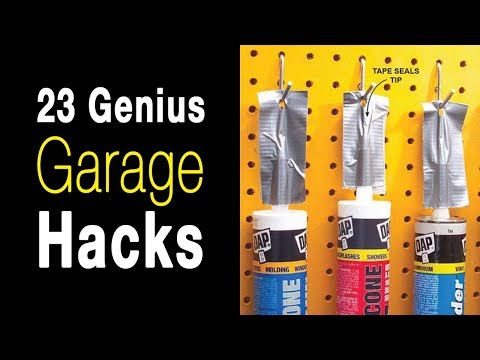
- Install wall-mounted pegboards or slatwalls for tools and small items, keeping them visible and reachable.
- Use clear, modular stackable drawers that can be rearranged as inventory changes.
- Attach over-door shoe racks or hanging pockets for lightweight, frequently accessed objects.
This strategy eliminates rummaging and transforms dead upper space into a precise, accessible system.
Protecting Your Belongings from Moisture, Pests, and Temperature
Effective storage solutions must actively shield your items from moisture, pests, and temperature extremes. Use airtight, hard-sided plastic bins instead of cardboard, which attracts pests and wicks dampness. Silica gel packs or moisture absorbers inside containers prevent mold and rust. For temperature-sensitive possessions like electronics or vinyl records, choose climate-controlled storage units that stay between 55–75°F. Treat wooden furniture with protective polish and elevate items off concrete floors on pallets. Q: What is the single most effective way to deter pests in storage? A: Using airtight containers with cedar blocks or diatomaceous earth at entry points. Never store food items, as crumbs invite rodents. Regularly inspect for condensation or pest droppings—early detection prevents widespread damage.

Best Practices for Climate Control and Humidity Management
Maintaining a stable environment is crucial for preventing mold and material decay. The cornerstone of climate control for storage is keeping relative humidity between 30% and 50%. Use a digital hygrometer to monitor levels daily. For closed units, silica gel desiccants passively absorb excess moisture, while electric dehumidifiers actively regulate larger spaces. Avoid drastic temperature swings by insulating the unit or storing items off concrete floors on pallets. Cracks in seals invite humid air, so inspect door gaskets regularly.
- Pair a dehumidifier with a continuous drain hose to avoid manual emptying.
- Add moisture-absorbing silica packets inside sealed boxes with electronics or fabrics.
- Frequently check for condensation on metal shelving or stored goods.
- Use a hygrometer to trigger active ventilation when humidity spikes.
Sealing, Wrapping, and Choosing Pest-Resistant Materials
For long-term storage, smart sealing and wrapping are your first defense. Use airtight bins or heavy-duty zip bags to block moisture and bugs from sneaking in. When choosing pest-resistant materials, opt for plastic or metal containers over cardboard, which attracts insects. Wrap soft items in pest-deterrent paper or cedar blocks. Select pest-resistant storage containers with tight lids to guarantee nothing gnaws through. Finally, inspect all items for hitchhikers before packing to avoid sealing pests inside with your belongings.
- Seal boxes with strong tape to close every gap.
- Store delicate fabrics in vacuum-sealed bags.
- Line bins with breathable, pest-repelling liners.
Key Features to Look for When Selecting a Storage System
When you’re actually living through a chaotic relocation, the right storage system is the difference between hours of frustration and a smooth, logical unpacking. You learn fast that modular adjustability is your lifeline—shelves that shift as you realize the boxes are all different heights, and bins that lock together so they don’t scatter during a tight corner in the hallway.
Your only real insight comes halfway through the third trip, when you grab a clear-front container and instantly see the winter coats you thought were lost; effortless visibility saves your sanity.
Comparing Locks, Security Options, and Access Control

When comparing storage systems, evaluate lock mechanisms by their resistance to forced entry. Padlocks, typically graded by security levels from ANSI grade 1 to 3, offer portability but can be prone to shimming, whereas built-in cam or disc locks provide a more integrated, tamper-resistant design. For access control security options, automated electronic keypads or biometric readers provide audit trails, but require battery management. The sequence for assessment is:
- Determine the physical vulnerability of the door and lock housing.
- Assess the credential system, such as key duplication risk versus code changeability.
- Verify the override mechanism for emergency access without compromising daily lock integrity.
Evaluating Shelving, Bin Compatibility, and Loading Capacity

Evaluating shelving, bin compatibility, and loading capacity begins with confirming that bin dimensions (length, width, depth) align precisely with shelf depth to prevent overhang or wasted space. Shelving must accommodate the intended bin’s weight when fully loaded; static load ratings per shelf level dictate safe storage density. Cross-check that the shelf gauge (steel thickness) and upright capacity match the combined weight of bins and contents. For wire shelving, ensure bin bases are flat and non-tipping. The table below clarifies how key aspects interact.
| Aspect | Evaluation Criteria | Compatibility Check |
|---|---|---|
| Shelving | Load rating per shelf (e.g., 800 lbs) | Matches bin weight + contents |
| Bin Compatibility | Bin footprint vs. shelf depth | No overhang >1 inch |
| Loading Capacity | Total system capacity vs. distributed load | Upright posts must support combined loads |
Tips for Long-Term Organization and Easy Retrieval
For lasting organization, adopt a consistent, hierarchical labeling system that uses broad categories first, then specific sub-categories, ensuring every stored item has a logical home. Implement clear, front-facing labels on every bin, shelf, and drawer, using a label maker for legibility and durability. An inventory log—physical or digital—is essential for tracking container contents without opening them. Resist the urge to overfill containers, as tight packing often leads to damaged items and abandoned search efforts over time. Finally, schedule biannual reviews to purge obsolete items and update your labeling system, ensuring retrieval remains intuitive years later.
Labeling Systems and Inventory Methods That Save Time
For time-saving storage, ditch vague labels. Use a consistent system like color-coded bins for broad categories (e.g., holiday gear) with numbered shelves for pinpoint precision. An inventory method such as a simple spreadsheet or app linked to QR codes lets you know what you have without rummaging. Smart labeling and digital inventory tracking cut search time drastically. Beware of over-labeling, which can become noise and slow you down.
Question: What’s a quick labeling trick?
Answer: Use a label maker with waterproof tape, and pair every bin with a inventory list taped to the shelf edge for instant visual retrieval.
Creating a Logical Layout for Frequently Versus Rarely Used Items
For optimal long-term organization, prioritize zone-based access by assigning frequently used items to prime, unobstructed locations like waist-level shelves or immediate drawer fronts. Rarely used items should occupy deeper, higher, or lower storage tiers. When implementing this layout, follow a clear sequence:
- Audit all stored items to categorize usage frequency
- Designate zones—reach zone (daily), stoop-zone (weekly), and climb-zone (seasonal)
- Place rarely used items at the farthest point from main retrieval pathways
- Label each zone’s boundaries for sustained clarity
This arrangement minimizes daily retrieval time and prevents rarely accessed items from cluttering high-priority space.
